Share
Share

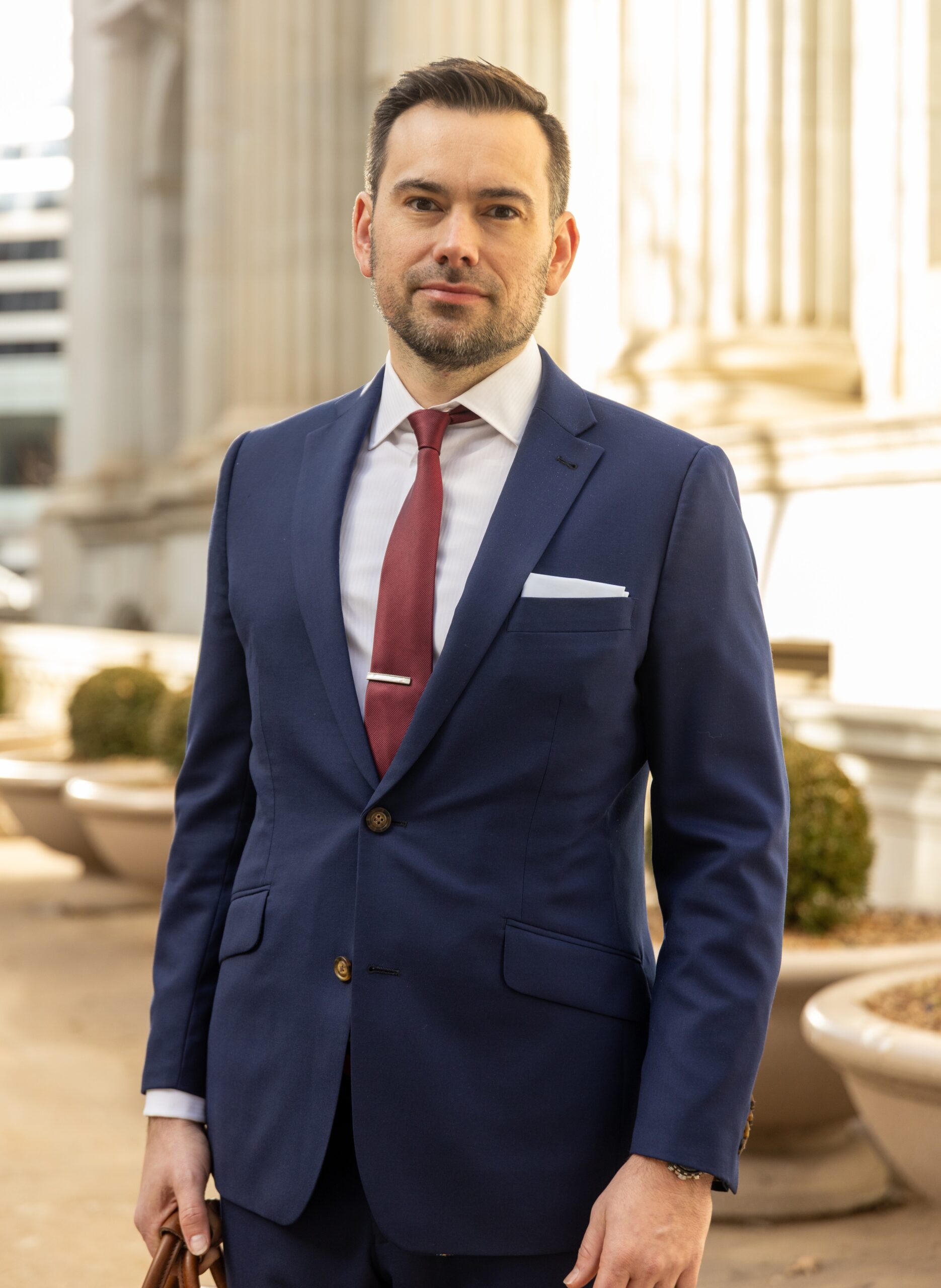
WRITTEN BY Zachary Newland, Founding Partner. Last updated October 20, 2026
Tucson Federal Drug Trafficking Lawyer
On This Page
- Federal Drug Trafficking Charges in the District of Arizona, Tucson Division
- How Federal Drug Investigations Work in the Tucson Area
- Federal Drug Charges and Conspiracy Under 21 U.S.C. §§ 841 and 846
- What to Do If You Are Under Federal Drug Investigation
- Why Choose Evergreen Attorneys for Federal Drug Defense
- How Evergreen Attorneys Defends Federal Drug Cases
- Frequently Asked Questions
Federal drug trafficking charges prosecuted in the U.S. District Court for the District of Arizona, Tucson Division carry some of the most severe penalties in the federal system: mandatory minimum sentences of five, ten, or twenty years, and in some cases life imprisonment. The Tucson Division, housed at the Evo A. DeConcini U.S. Courthouse at 405 West Congress Street, covers Pima, Cochise, Santa Cruz, Graham, and Greenlee Counties.
Its proximity to the southern border means that the U.S. Attorney’s Office for the District of Arizona, the Drug Enforcement Administration, Customs and Border Protection, and Homeland Security Investigations all maintain an active investigative presence in this corridor. If you or someone in your family is facing a federal drug investigation or indictment in Tucson, the decisions you make now will shape every stage that follows.
If federal agents have contacted you or a loved one has been arrested, contact Evergreen Attorneys at (303) 948-1489 today to before its too late to act.
Federal Drug Trafficking Charges in the District of Arizona, Tucson Division
Federal drug trafficking cases filed in the Tucson Division proceed before Article III judges and magistrate judges at the DeConcini Courthouse. These cases are prosecuted by Assistant United States Attorneys from the District of Arizona, often supported by multi-agency task forces. A 2022 Department of Justice press release, for example, described a Tucson Strike Force indictment alleging methamphetamine, fentanyl, cocaine, and heroin distribution, with investigation contributions from the DEA, CBP Border Patrol, HSI, U.S. Marshals, Arizona DPS, the Pima County Sheriff’s Department, the Marana Police Department, and the South Tucson Police Department.
Because multiple federal agencies coordinate investigations in the Tucson corridor, a single case can involve surveillance, controlled purchases, wiretaps, cooperating witnesses, and cross-border money movement. These cases are not handled by state prosecutors or state courts; they follow the Federal Rules of Criminal Procedure, the Federal Sentencing Guidelines, and the mandatory minimum framework set by Congress.
Colorado’s Supreme Court-proven Federal Criminal Defense Team.
How Federal Drug Investigations Work in the Tucson Area
A federal drug investigation in or around Tucson often begins well before an arrest or indictment. Common investigative tools include:
- Title III wiretap orders authorizing recorded communications
- Grand jury subpoenas for financial records, phone records, or testimony
- Controlled purchases and undercover operations coordinated by the DEA or HSI
- Surveillance by federal agents or cooperating task force officers
- Cell-site location data and digital forensic analysis
- Confidential informants and cooperating co-defendants
A federal grand jury sitting in the District of Arizona may return an indictment without the target ever receiving advance notice. In other cases, the government issues a target letter or a grand jury subpoena before seeking charges. Either way, the investigative stage is where defense counsel can have the greatest impact on charging decisions, cooperation terms, and pretrial detention outcomes.
Federal Drug Charges and Conspiracy Under 21 U.S.C. §§ 841 and 846
Most federal drug trafficking prosecutions in the Tucson Division rely on two primary statutes.
21 U.S.C. § 841 makes it unlawful to manufacture, distribute, or possess with intent to distribute a controlled substance. Penalties under § 841 depend on the type and quantity of the substance, whether death or serious bodily injury resulted, and whether the defendant has prior qualifying drug convictions. For large quantities of fentanyl, methamphetamine, heroin, or cocaine, mandatory minimums of ten years to life imprisonment apply.
21 U.S.C. § 846 covers attempt and conspiracy. A federal drug conspiracy charge does not require that the defendant personally handled any drugs. The government must prove that two or more people agreed to violate a federal drug law and that the defendant knowingly joined the agreement. Under § 846, conspiracy carries the same mandatory minimums as the completed offense. This means a person accused of agreeing to distribute a specified quantity of fentanyl faces the same sentencing exposure as the person who allegedly delivered it.
Key penalty factors in Tucson Division federal drug cases include:
- Drug type and attributed quantity
- Role in the offense (organizer, manager, courier, minimal participant)
- Prior federal or state drug felony convictions
- Whether a firearm was possessed or used in connection with the offense
- Whether death or serious bodily injury resulted
- Applicability of safety-valve relief under 18 U.S.C. § 3553(f)
What to Do If You Are Under Federal Drug Investigation
If you learn that you are the subject or target of a federal drug investigation in the Tucson area, take these steps immediately:
- Do not make any statements to federal agents, local law enforcement officers working with a federal task force, or prosecutors without a federal defense attorney present.
- Do not consent to a search of your home, vehicle, phone, or business without understanding whether agents already have a warrant.
- Preserve all documents, communications, and electronic records. Destroying or altering potential evidence after learning of an investigation can result in separate obstruction charges.
- Do not discuss the investigation with co-targets, associates, or anyone other than your attorney.
- Contact a federal drug trafficking lawyer immediately. Early involvement of defense counsel can influence whether charges are filed, what charges are brought, and whether pretrial release is available.
Federal drug investigations in the Tucson area may involve the DEA, FBI, Homeland Security Investigations, CBP Border Patrol, the U.S. Marshals Service, or a federal grand jury. The investigative stage is often the most consequential period for the defense, because pre-indictment decisions about cooperation, proffer sessions, and evidence challenges cannot be undone after charges are filed.
Why Choose Evergreen Attorneys for Federal Drug Defense
Evergreen Attorneys is an exclusively federal criminal defense practice. The firm does not handle state criminal cases, DUI matters, family law, or personal injury. Every case the firm accepts involves a federal court, a federal agency, or a federal criminal exposure.
Zachary Newland, the firm’s Founding Partner, has appeared as counsel of record in more than 130 federal cases since 2016. He has never been a prosecutor. His practice focuses on pre-trial federal criminal defense, including federal drug investigations, federal drug conspiracy cases, and federal trial work. When a person facing federal drug charges in Tucson contacts Evergreen Attorneys, the matter is routed to Zachary Newland based on his experience with these types of cases.
The firm serves federal criminal defense clients nationwide, including defendants and targets in the District of Arizona.
How Evergreen Attorneys Defends Federal Drug Cases
Evergreen Attorneys approaches federal drug defense at every stage of the federal process:
- Pre-indictment investigations: Reviewing the government’s evidence, advising on grand jury subpoenas and target letters, negotiating with prosecutors before charges are filed, and evaluating whether a proffer or cooperation agreement is in the client’s interest.
- Pretrial proceedings: Challenging search and seizure issues under the Fourth Amendment, litigating suppression motions, contesting pretrial detention, and analyzing wiretap or digital evidence for procedural defects.
- Drug quantity and role disputes: Examining the government’s method of attributing drug quantities and challenging inflated quantity allegations or overstated roles that drive mandatory minimums.
- Trial preparation and trial: Preparing cross-examination of cooperating witnesses and informants, challenging the reliability of government agents, and presenting the defense theory to a federal jury.
- Sentencing advocacy: Presenting mitigating factors under the Federal Sentencing Guidelines, arguing for safety-valve relief where applicable, and contesting sentencing enhancements.
For defendants who have already been convicted or sentenced, Evergreen Attorneys also handles federal appeals and post-conviction matters.
Frequently Asked Questions
What is federal drug trafficking?
Federal drug trafficking generally refers to alleged manufacturing, distribution, or possession with intent to distribute a controlled substance in violation of federal law. Under 21 U.S.C. § 841, possible penalties depend on factors including the substance, quantity, prior qualifying convictions, and whether death or serious bodily injury resulted. An indictment or investigation contains allegations, not a finding of guilt.
What is the difference between federal drug trafficking and drug conspiracy?
Federal drug trafficking under 21 U.S.C. § 841 requires the government to prove that the defendant actually manufactured, distributed, or possessed drugs with intent to distribute. Federal drug conspiracy under 21 U.S.C. § 846 requires proof that two or more people agreed to commit a drug offense and that the defendant knowingly joined that agreement. A conspiracy charge does not require proof that the defendant personally handled any controlled substance. Both offenses carry the same mandatory minimum penalties.
What should I do if I am contacted during a federal drug investigation in Tucson?
Do not make substantive statements, consent to searches, or provide records without first obtaining federal defense counsel. A federal drug investigation may involve the DEA, FBI, Homeland Security Investigations, Border Patrol, or a federal grand jury, and early decisions can affect later charging and detention outcomes. Preserve relevant documents and communications, avoid destroying or altering evidence, and direct all substantive government contact through your attorney.
When should someone facing federal drug charges in the Tucson Division retain a federal drug trafficking lawyer?
Retain counsel as early as possible, ideally before responding to any federal agent, grand jury subpoena, or target letter. The pre-indictment stage is where defense counsel can most effectively influence charging decisions, negotiate cooperation terms, challenge the government’s evidence, and prepare for a detention hearing. Waiting until after an indictment or arrest significantly narrows the available options.
If you are facing a federal drug trafficking investigation, indictment, or arrest in the District of Arizona, contact Evergreen Attorneys at (303) 948-1489 for a confidential case evaluation today.

Zachary Newland
Zachary Newland is an attorney, author, aspiring BBQ connoisseur, and enthusiastic, but mediocre skier. Zachary's law practice is focused on federal criminal defense, federal appellate advocacy including post-conviction remedies, civil rights litigation, and complex trial work. Zachary lives in Evergreen, Colorado with his family. Reach out today
STAY IN THE LOOP
Subscribe to our free newsletter.

Written by David Boyer, Partner. [...]