Share
Share

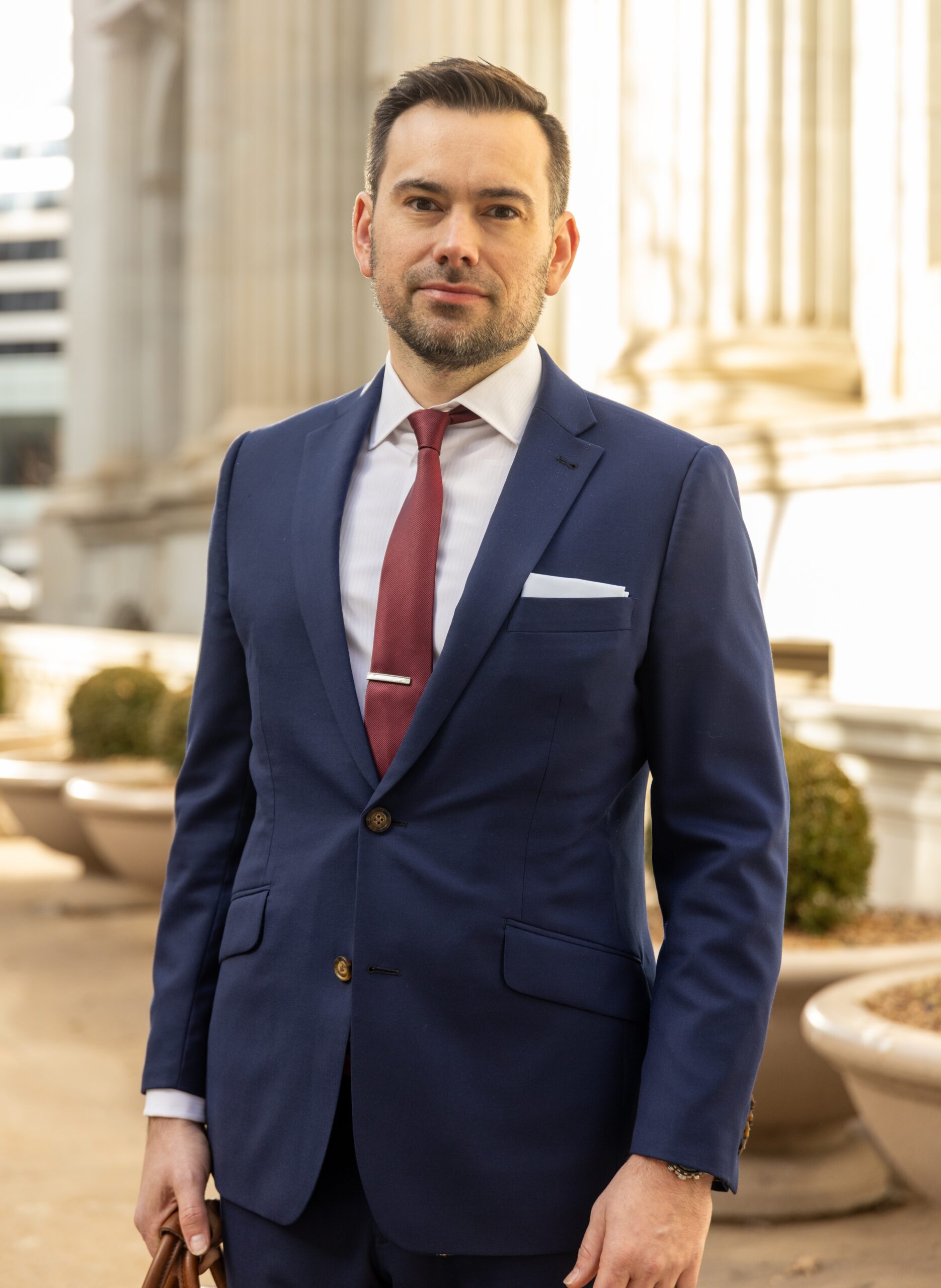
Written by Zachary Newland, Founding Partner
Last Edited July 24, 2026
Utah Drug Trafficking Defense: Federal Charges in the District of Utah
On This Page
- Federal Drug Trafficking Charges in Utah
- How Federal Drug Cases Differ from State Prosecutions in Utah
- Federal Drug Charges and Investigation Types in Utah
- Mandatory Minimum Sentences for Federal Drug Trafficking
- How Federal Drug Investigations Begin in Utah
- Why Evergreen Attorneys for Utah Federal Drug Defense
- How Evergreen Attorneys Helps at Every Federal Stage
- Frequently Asked Questions
Federal drug trafficking prosecutions in the U.S. District Court for the District of Utah carry penalties that can reshape a person’s life permanently. Utah sits at the intersection of interstate corridors that federal agencies actively monitor for drug distribution networks, and cases that cross state lines, involve federal task forces, or meet certain quantity thresholds are regularly charged under federal statutes rather than Utah state law. If you are under investigation or facing federal drug charges in Utah, the consequences you face, including mandatory minimum prison sentences of five or ten years with no parole, are governed by a different system than what most people expect from state court.
If federal agents have contacted you or you have received a federal document, contact Evergreen Attorneys at (801) 948-9996 before responding or producing information.
Federal Drug Trafficking Charges in Utah
Federal drug trafficking in Utah is prosecuted under 21 U.S.C. § 841, which makes it unlawful to manufacture, distribute, or possess with intent to distribute a controlled substance. Unlike Utah state drug charges, which are filed in state district courts and sentenced under the Utah Criminal Code, federal drug trafficking cases are brought by the United States Attorney’s Office for the District of Utah and adjudicated in federal court in Salt Lake City.
A case becomes federal rather than state when one or more of several factors are present: the investigation was initiated or adopted by a federal agency such as the Drug Enforcement Administration, the FBI, or Homeland Security Investigations; the alleged conduct involves interstate or international drug movement; the quantity of drugs meets federal thresholds; or a federal grand jury returns an indictment. Conspiracy charges under 21 U.S.C. § 846 are also common in federal drug cases, and they carry the same penalties as the underlying substantive offense. Import and export offenses under 21 U.S.C. § 960 add another layer of federal exposure for conduct involving drugs that cross national borders.
How Federal Drug Cases Differ from State Prosecutions in Utah
The distinction between a state drug case and a federal drug trafficking prosecution in Utah is not just jurisdictional. It affects every stage of the process and, most critically, the sentence a person can face.
- Sentencing structure: Federal drug cases are governed by the United States Sentencing Guidelines and mandatory minimum statutes. There is no parole in the federal system; defendants serve at least 85% of the imposed sentence.
- Investigative resources: Federal agencies use wiretaps, confidential informants, controlled purchases, financial analysis, and multi-year investigations that are often more resource-intensive than state-level operations.
- Charging decisions: Federal prosecutors have broad discretion to charge quantities and enhancements that trigger mandatory minimums, and they can use prior felony drug convictions to double or triple those minimums.
- Pretrial detention: Federal magistrate judges in the District of Utah apply the Bail Reform Act, and drug trafficking offenses carry a rebuttable presumption of detention, meaning the defendant must overcome a legal presumption that no conditions of release will ensure community safety.
- Forfeiture: Federal drug convictions frequently result in forfeiture of assets the government alleges are connected to the trafficking activity, including vehicles, cash, and real property.
Understanding whether your case is federal, state, or potentially both is the first step in building a defense. Dual-sovereignty situations, where both federal and state charges could apply, require immediate strategic assessment.
Federal Drug Charges and Investigation Types in Utah
Federal drug trafficking cases in the District of Utah most commonly involve the following charge types and controlled substances:
- Possession with intent to distribute (21 U.S.C. § 841): The government must prove that a defendant possessed a controlled substance and intended to distribute it. Quantity, packaging, communications, and cash are common categories of evidence.
- Conspiracy to distribute (21 U.S.C. § 846): Conspiracy charges allow prosecutors to hold each member of an alleged distribution network responsible for the foreseeable acts of co-conspirators. A single conspiracy indictment can name dozens of defendants.
- Import and export offenses (21 U.S.C. § 960): Cases involving drugs transported across national borders carry their own mandatory minimums and can involve coordination between federal agencies and foreign law enforcement.
The controlled substances most frequently at issue in Utah federal drug prosecutions include methamphetamine, fentanyl, heroin, cocaine, and marijuana in quantities above federal thresholds. Each substance and quantity triggers specific mandatory minimum thresholds under 21 U.S.C. § 841(b), and the government’s determination of drug type and weight often becomes a central factual dispute at trial or sentencing.
Mandatory Minimum Sentences for Federal Drug Trafficking
Federal mandatory minimum sentences for drug trafficking are set by statute and leave the sentencing judge no discretion to impose a shorter prison term unless specific exceptions apply. The two primary mandatory minimum tiers are five years and ten years, depending on the type and quantity of the controlled substance.
For example, 500 grams or more of a mixture containing methamphetamine triggers a ten-year mandatory minimum under 21 U.S.C. § 841(b)(1)(A). Fifty grams or more triggers a five-year mandatory minimum under § 841(b)(1)(B). Fentanyl thresholds are lower: 400 grams or more for ten years, 40 grams or more for five years. These minimums increase to twenty years or life imprisonment if the defendant has a qualifying prior felony drug conviction or if death or serious bodily injury resulted from the use of the distributed substance.
Two primary mechanisms may allow a sentence below the mandatory minimum. First, the safety-valve provision under 18 U.S.C. § 3553(f) permits a below-minimum sentence for defendants who meet specific criteria, including limited criminal history and full disclosure of offense conduct to the government. Second, a substantial assistance motion under U.S.S.G. § 5K1.1, filed by the government, can authorize a reduced sentence in exchange for cooperation. Both paths have significant legal and strategic implications that require experienced counsel to evaluate.
How Federal Drug Investigations Begin in Utah
Federal drug investigations in Utah typically begin in one of several ways, and recognizing the signs early is critical to protecting your rights.
- Agent contact: DEA, FBI, or HSI agents may appear at a home, workplace, or vehicle and ask to speak with a person. Anything said during these encounters can be used in a federal prosecution.
- Grand jury subpoena: A federal grand jury subpoena compels testimony or production of documents. Receiving a subpoena means a federal investigation is underway and may already be focused on you or someone close to you.
- Target letter: A target letter from the U.S. Attorney’s Office formally notifies a person that they are a target of a federal grand jury investigation. This is one of the clearest signals that an indictment may follow.
- Search warrant: Federal agents executing a search warrant at a residence, vehicle, or business are acting on a judicial finding of probable cause. Evidence seized during the search will be used to build or strengthen the case.
- Confidential informants and wiretaps: Many federal drug cases in Utah rely on recorded conversations, controlled purchases, and court-authorized wiretaps. A defendant may not learn about these investigative tools until after arrest or indictment.
If any of these events has occurred, you should not make any statement, consent to any search, or produce any document without first consulting with a federal defense attorney.
Colorado’s Supreme Court-proven Federal Criminal Defense Team.
Why Evergreen Attorneys for Utah Federal Drug Defense
Evergreen Attorneys is a federal criminal defense firm that represents clients facing drug trafficking and distribution charges in the District of Utah and in federal courts nationwide. Founding Partner Zachary Newland has appeared as counsel of record in more than 120 federal cases since 2016, with experience that includes motions practice, suppression hearings, plea negotiations involving mandatory minimums and safety-valve relief, and federal jury trials.
Evergreen Attorneys understands the procedures and expectations of the U.S. District Court for the District of Utah and the federal agencies that investigate drug cases in the state. The firm’s approach is grounded in thorough investigation of the government’s evidence, aggressive pretrial litigation where appropriate, and honest assessment of each client’s exposure and options.
How Evergreen Attorneys Helps at Every Federal Stage
Federal drug cases in Utah move through distinct stages, and the defense strategy at each one matters.
- Pre-charge investigation: When a client learns of an investigation before charges are filed, Evergreen Attorneys works to understand the scope of the investigation, advise on grand jury subpoenas and agent contact, and position the case for the strongest possible outcome.
- Arrest and initial appearance: Federal defendants in the District of Utah face a detention hearing where the government argues for pretrial incarceration. Counsel who understands the Bail Reform Act and the presumption of detention in drug cases can present evidence and arguments for release conditions.
- Pretrial motions: Suppression of evidence obtained through unlawful searches, challenges to wiretap authorizations, and motions to sever defendants or dismiss counts are critical tools. These motions can exclude the government’s key evidence and change the trajectory of the case.
- Plea negotiations and sentencing: If resolution without trial is the best strategic path, counsel must understand the Sentencing Guidelines, mandatory minimum statutes, safety-valve eligibility, and substantial assistance provisions to negotiate effectively.
- Trial: When trial is the right option, experienced federal trial counsel is essential. Federal drug trials involve complex evidentiary issues, expert testimony on drug identification and quantity, and jury selection in a federal courtroom.
For clients who have already been convicted, Evergreen Attorneys also handles post-conviction federal relief options including appeals and motions to vacate sentence.
Frequently Asked Questions
What is considered federal drug trafficking in Utah?
Federal drug trafficking in Utah refers to manufacturing, distributing, or possessing with intent to distribute controlled substances in violation of 21 U.S.C. § 841 and related statutes. Cases are typically brought in the U.S. District Court for the District of Utah when federal agencies such as the DEA or FBI develop evidence of larger-scale distribution, conspiracy, or conduct involving interstate or international activity. The distinction between a federal charge and a state charge is significant because federal sentencing guidelines and mandatory minimums can drive exposure far beyond what Utah state courts impose.
What are the mandatory minimum sentences for federal drug trafficking in Utah?
Mandatory minimum sentences depend on the type and quantity of the controlled substance and any prior felony drug convictions. Threshold quantities of methamphetamine, heroin, cocaine, fentanyl, and other substances can trigger five-year or ten-year mandatory minimum prison terms under 21 U.S.C. § 841. Those minimums increase if the government alleges that serious bodily injury or death resulted from the drugs. Safety-valve relief under 18 U.S.C. § 3553(f) and substantial assistance motions are the primary mechanisms that may allow a sentence below the statutory minimum, but both require specific factual criteria to be met.
Can a federal drug trafficking charge in Utah be resolved without trial?
In some cases, charges can be reduced or resolved through plea negotiations, cooperation, or legal challenges to the government’s evidence. Defense strategies may include challenging whether the defendant actually possessed the drugs, disputing intent to distribute, contesting the admissibility of evidence from searches or wiretaps, or attacking the alleged drug quantity that drives mandatory minimums. If the defense can exclude critical evidence or negotiate a plea to a lesser quantity, it may reduce exposure and potentially avoid a mandatory minimum. Each case depends on its specific facts and evidence.
Is drug trafficking a federal or state offense in Utah?
Drug trafficking can be charged as either a federal or state offense in Utah, and in some situations both jurisdictions may pursue charges. A case is more likely to be federal when federal agencies initiated the investigation, the conduct crosses state or national borders, the quantity of drugs meets federal thresholds, or a federal grand jury has returned an indictment. Federal and state cases carry different sentencing structures, procedural rules, and consequences, so identifying the jurisdiction early is essential to planning an effective defense.
When should someone contact a federal defense attorney about drug charges in Utah?
The best time to contact a federal defense attorney is before you answer questions, produce documents, or make any statement to federal agents. If you have received a target letter, a grand jury subpoena, a visit from DEA or FBI agents, or you learn that others connected to you have been charged or arrested, you should speak with counsel immediately. Early involvement allows a defense attorney to protect constitutional rights, assess the government’s case, and begin building a strategy before critical decisions are made that cannot be undone.
If you are facing federal drug trafficking charges or a federal drug investigation in Utah, contact Evergreen Attorneys at (801) 948-9996 or email Zachary Newland at [email protected] for a confidential consultation and case evaluation. .

Zachary Newland
Zachary Newland is an attorney, author, aspiring BBQ connoisseur, and enthusiastic, but mediocre skier. Zachary's law practice is focused on federal criminal defense, federal appellate advocacy including post-conviction remedies, civil rights litigation, and complex trial work. Zachary lives in Evergreen, Colorado with his family. Reach out today
STAY IN THE LOOP